
No-Blame Ground Rule in Restorative Mediations
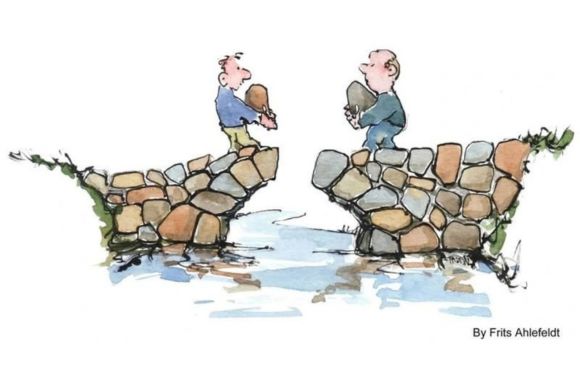
The no-blame ground rule is one of the most misunderstood aspects of restorative mediation — it isn't about protecting anyone from accountability. It's about redirecting accountability to where it actually belongs.
Instead of the entrenched positions of you're to blame or you started this, both parties are asked to sit with something far more demanding: how have I let this person down, and what is my part in rebuilding what's broken?
That's the work each person is asked to pick up and carry toward the other — their own genuine share of the responsibility for what has happened between them. The no blame rule exists for one reason: to create enough safety for that question to be answered honestly.
Blame and self-reflection cannot coexist. When we feel accused, we defend — and the moment we are defending ourselves, we have stopped looking inward. Removing blame from the room doesn't let people off the hook; it creates the conditions in which genuine accountability becomes possible. Not the performed kind that people offer just to end a difficult conversation, but the kind that actually shifts something.
Sometimes participants struggle with this, and my response is always the same: we can't ask for safety unless we're willing to give it.
When both people in conflict are genuinely willing to choose the harder, more generous path, trust and respect can be rebuilt — not because one person won, but because both were willing to set aside ego and pride, and demonstrate some grace.